
Description
Overview of Protein A/G Ratio Test
At AIMS Diagnostic Center, the Protein A/G Ratio Test is an essential clinical biochemistry parameter calculated as part of a Total Protein or Liver Function Test (LFT) panel. Serum total protein consists mainly of two types of proteins: albumin (produced by the liver to prevent fluid leakage from blood vessels) and globulins (produced by the liver and immune system to fight infections). Calculating the ratio between these two proteins helps doctors pinpoint specific health conditions affecting protein production or loss.
Key Diagnostic Uses
- Liver Function & Cirrhosis Check: Detects reduced albumin production due to liver damage, hepatitis, or cirrhosis (low A/G ratio).
- Kidney Disease Screening: Identifies conditions like nephrotic syndrome where albumin is lost through damaged kidney filters.
- Autoimmune & Immune Disorders: Detects elevated globulin levels caused by chronic infections, autoimmune diseases, or inflammatory disorders.
- Bone Marrow & Plasma Cell Evaluation: Serves as a key preliminary indicator for disorders like Multiple Myeloma or other gammopathies.
When Should You Get a Protein A/G Ratio Test?
Healthcare professionals recommend booking a Protein A/G Ratio Test if you experience:
- Unexplained swelling in legs, feet, abdomen (ascites), or around the eyes (edema).
- Yellowing of the skin or eyes (Jaundice), chronic fatigue, or loss of appetite.
- Persistent bone pain, frequent infections, or unexpected weight loss.
- Abnormal Total Protein, Albumin, or Globulin levels on routine blood work.
- Routine liver or kidney health screening.
Test Guidelines & Preparation
- Fasting Requirement: 8 to 10 hours of overnight fasting is recommended for accurate protein estimation (water is permitted).
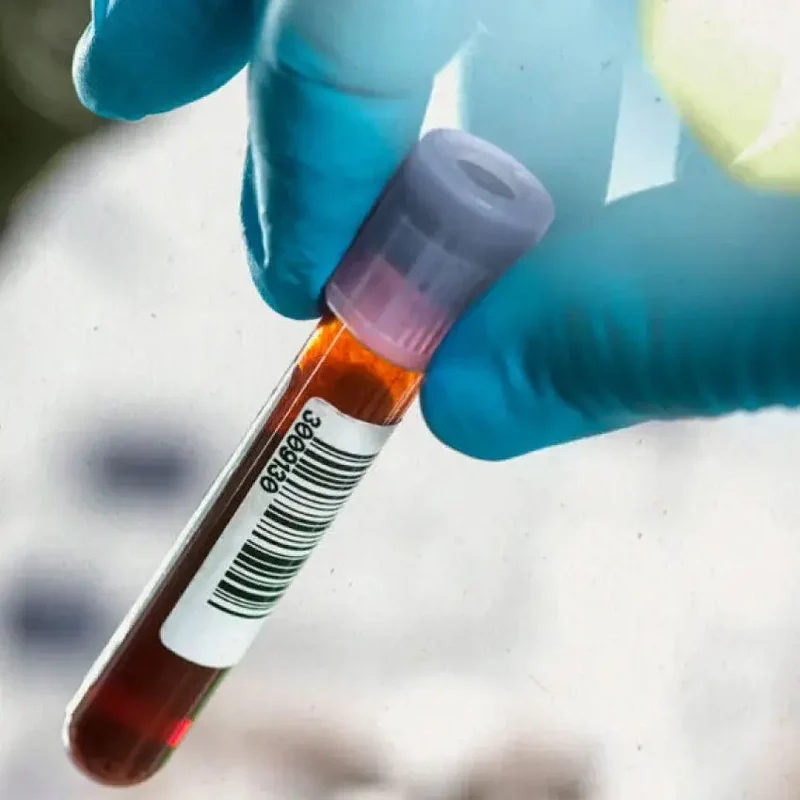
- Sample Type: Venous Blood Sample (Serum).
- Turnaround Time: Same-day digital reports available online & via WhatsApp.
Reviews
There are no reviews yet.