Description
Overview of Low Density Lipids (LDL) Test
At AIMS Diagnostic Center, the Low Density Lipids (LDL) Test is a critical component of a lipid profile, specifically designed to assess cardiovascular risk. LDL cholesterol is often called ‘bad cholesterol’ because high levels can lead to the accumulation of plaque in your arteries (atherosclerosis), narrowing them and increasing the likelihood of blood clots, heart attacks, or strokes.
Key Diagnostic Uses
- Cardiovascular Risk Assessment: A primary indicator used by doctors to determine your risk of developing heart disease and to guide preventative treatment strategies.
- Plaque Buildup Monitoring: Helps identify potential narrowing of arteries due to lipid deposits, which can restrict blood flow to the heart and other organs.
- Treatment Strategy & Effectiveness: Essential for monitoring the effectiveness of lifestyle changes (diet, exercise) or cholesterol-lowering medications (like statins).
- Screening for Inherited Lipid Disorders: Can help detect genetic conditions that cause naturally high cholesterol levels.
When Should You Get an LDL Cholesterol Test?
Healthcare providers recommend booking an LDL test if you have or experience:
- A family history of early heart disease or high cholesterol.
- Existing high blood pressure, diabetes, or are overweight.
- A sedentary lifestyle or smoke regularly.
- Known heart disease, to monitor treatment.
- Routine checkups, as high cholesterol often has no symptoms.
Test Guidelines & Preparation
- Fasting Requirement: For most lipid profiles, 9 to 12 hours of fasting is required prior to sample collection for optimal accuracy (only water is permitted).
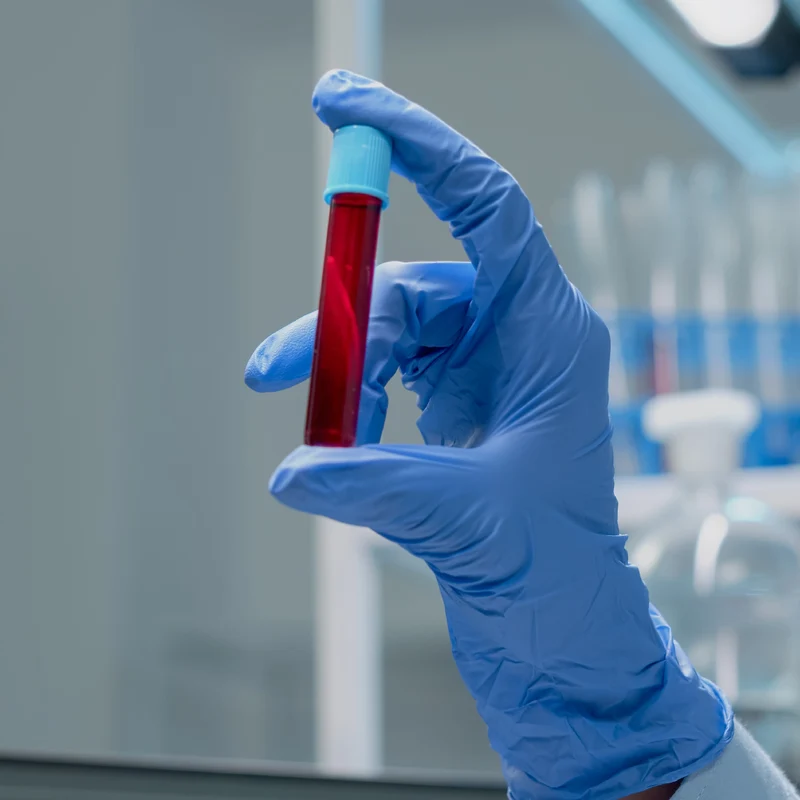
- Sample Type: Venous Blood Sample (Serum).
- Turnaround Time: Same-day digital reports are available online & via WhatsApp.
Reviews
There are no reviews yet.